
Lost City
How the Soul of a City Vanished: Very Slowly, Then All at Once.

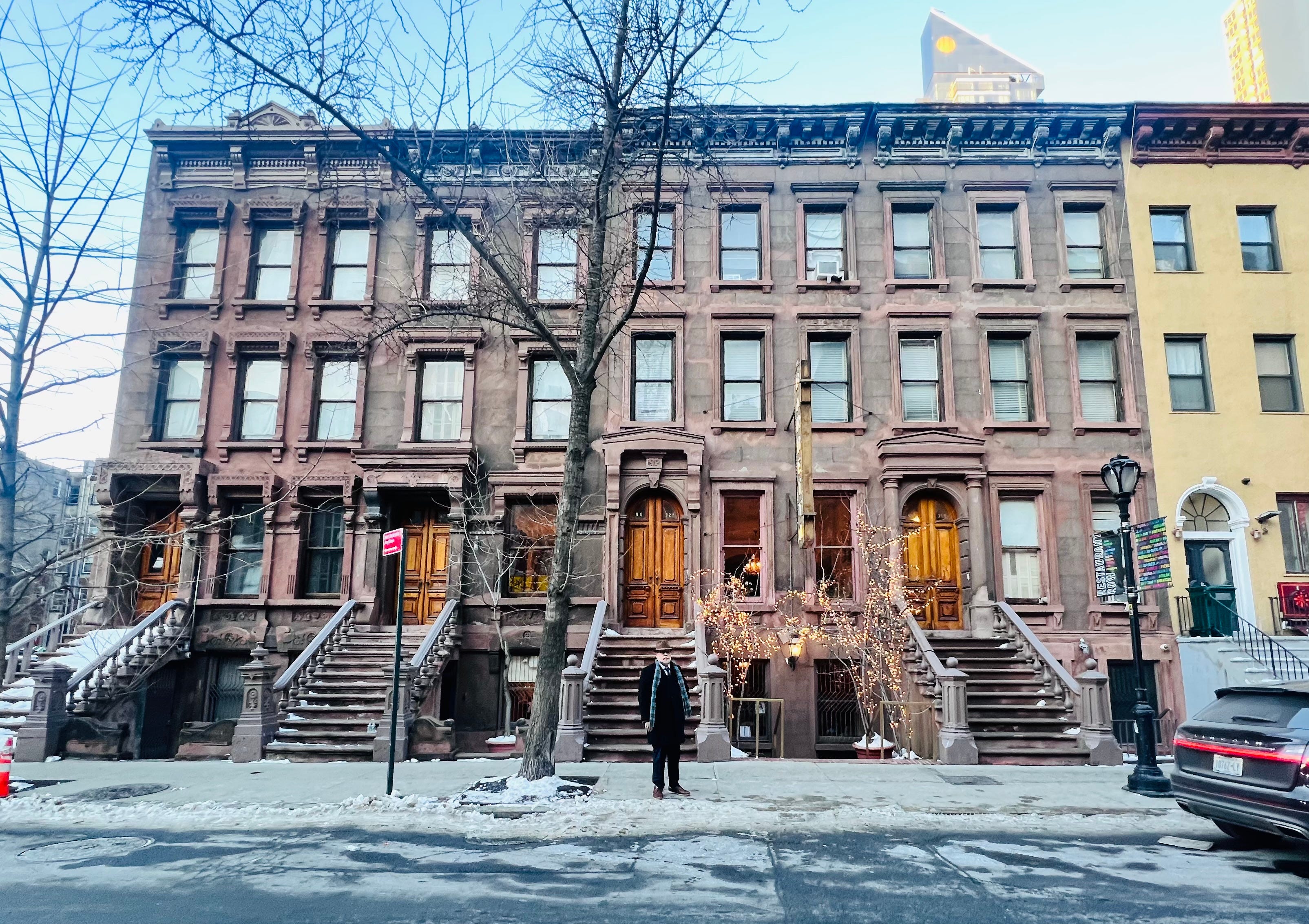
“When the world is running down, you make the best of what’s still around.”—The Police, Zenyatta Mondatta, 1980.
It was sfingi and zeppole season at Court Pastry Shop in the Carroll Gardens/Cobble Hill section of Brooklyn. I knew because the familiar red-white-and-blue sign hung in the window of the old Italian bakery. It comes out each spring for several weeks on either side of St. Joseph’s Day, the holiday the special pastries traditionally commemorate. So I stopped inside to buy a sfingi, as I have for decades.

As the clerk tied up our boxed sfingi with red-and-white-striped string, we got to talking about the area and how it had changed. Court Pastry Shop is one of the few remaining old businesses on Court Street. She’d worked there for thirty years, commuting by foot from her apartment on nearby Second Place. But it didn’t feel like her neighborhood anymore.
“I feel like I’m invisible,” she said. “The people who come in here these days, they don’t see me.”
To her, we surely looked like interlopers ourselves. But we knew what she meant.
I’d lived in the neighborhood since 1994; Mary Kate lived in the area off and on since 1989. But in the years since Covid, we, too, had felt invisible, strangers in our own neighborhood. A well-heeled, trust-fund breed had come to dominate Brownstone Brooklyn. The families that flowed out of sleek, black, illegally parked Range Rovers, each member wearing an outfit that cost a couple months of our rent; people who stood, oblivious to all, on the corner blocking foot traffic—certainly, they did not see us.
Brooklyn was no longer dominated by locals, but newbies. The swank restaurants, bars and shops that opened in the area—with clean white facades and interiors that seemed more fitted to Main Street in East Hampton than Court Street—catered to them.
That I would one day feel spiritually homeless in New York did not come completely as a surprise.
There is a passage about New York by the late British drama critic, Kenneth Tynan. He wrote it during his short tenure working as a reviewer for The New Yorker from 1958 to 1960. I first read it not long before I moved to New York in 1988, but never forgot it. He wrote:
To no metropolis on earth do I return more certain that I have not been missed. In Rome and Paris, I am needed, as doffed caps and low bows testify; but New York can get along without me very well. Its profile changes from visit to visit; here a face lift, there a nose bob. “Let’s meet for a drink at the Trianon,” says someone; and, when I arrive, nothing remains of the place but a hole in the ground… “Why not let’s lunch at the Chamiere?” says someone else; but the building that housed that excellent restaurant proves to be a gap in the skyline, a tooth pulled from the grey smile of the street.
I knew this to be true even before I moved to the city, and I have known it ever since.
Still, when it finally happens and you realize the city can actually get along without you very well, it does still come as a jolt.
I began to learn that New York could do without anyone or anything in 2006, when the powers that be in the Theater District decided it could do without McHale’s. McHale’s was an old corner bar that had fed and watered generations of actors, stagehands, writers and PR flacks for decades. In 2006, with nary a tear, the landlord pulled the plug. McHale’s closed and a tall glass tombstone, masquerading as a high-rise, went up in its place.
I responded to this atrocity—for an atrocity it did seem to me—by launching a blog called Lost City. On it, I catalogued the city’s cultural losses at the hands of landlords and developers, all backed by various short-sighted City Hall administrations.
The losses came at a steady clip; I never lacked for material. I gave up the blog in 2013 when it became clear that my windmill-tilting was pointless, particularly in the face of the Bloomberg administration, which, over the course of 12 years, made good on its promise to remake New York as a “luxury product,” a playground for the wealthy. Bloomberg’s successors at Gracie Mansion have done nothing to reverse that trend.
Covid briefly gave the city back to its people, as the rich fled to Florida and upstate country houses. But many came back soon after, and rents, housing prices and the general cost of living have skyrocketed ever since.
If I was still writing Lost City today, I’d be busier than ever. There would be daily headlines.
Last year, when we were weighing the pros and cons of leaving New York, one of the prominent cons was that the things we loved about the city—the older, institutional restaurants, bars, shops and cultural centers that gave the town texture and a sense of history—kept closing. These would surely continue to disappear, leaving us stranded in an increasingly suburban burg stripped of everything that connected us to it.
As Mary Kate then told me, we weren’t leaving New York, because New York had left us a long time ago. The places we loved over our decades of living there were being taken one by one.
Why stick around for the long, slow funeral?
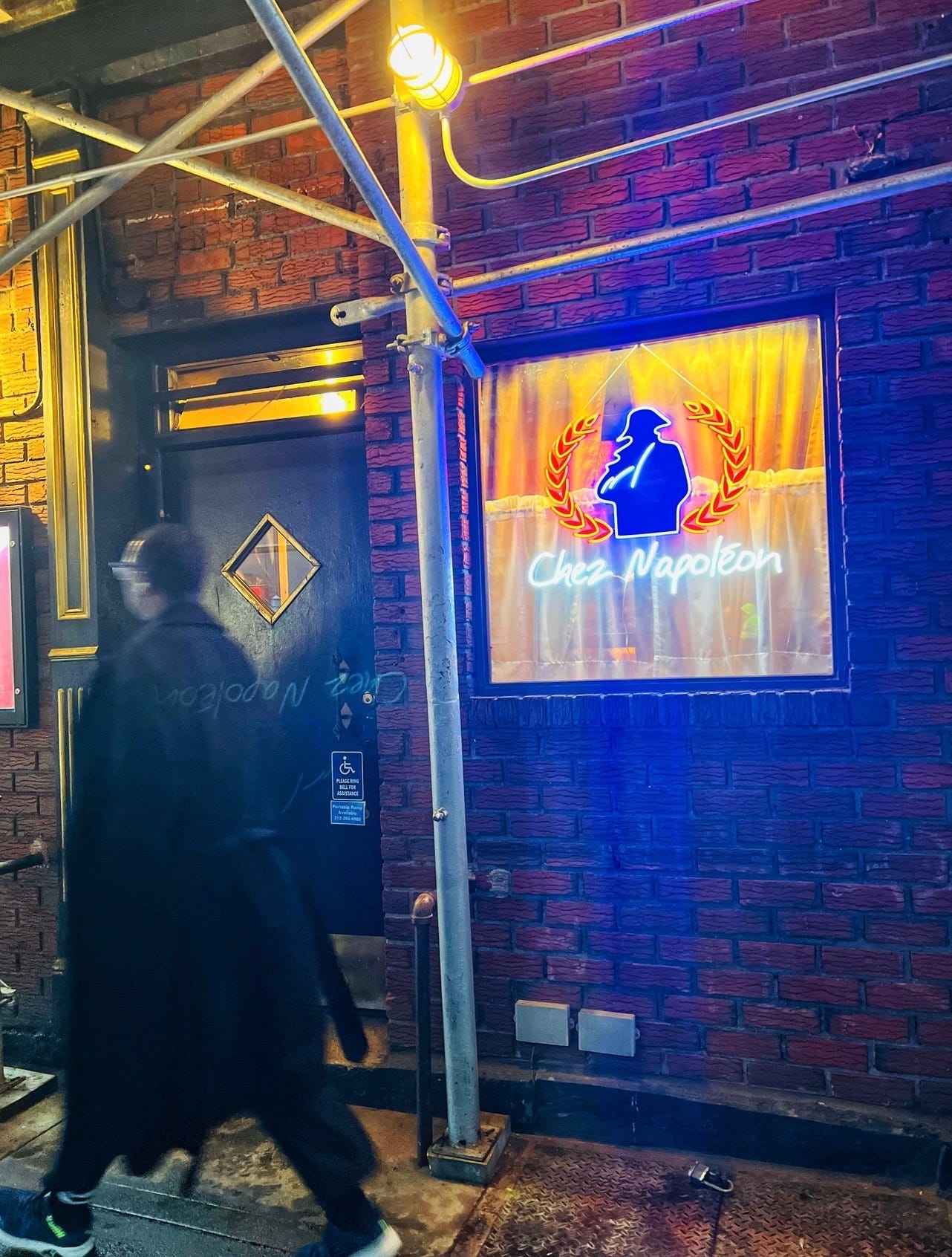
Earlier this year, a distinct feeling of, “Well, we weren’t wrong!,” hit us, as a new wave of Gotham exits washed over us like a tidal wave.
Chez Napoleon, one of the last of the old-school, small restaurants that used to dot the Theater District, closed Jan. 31 after 67 years. We had dined there only six months previous.
Café Un Deux Trois, a redoubtable pre-theater destination for nearly fifty years, and haunt of Broadway stars, closed the same month.
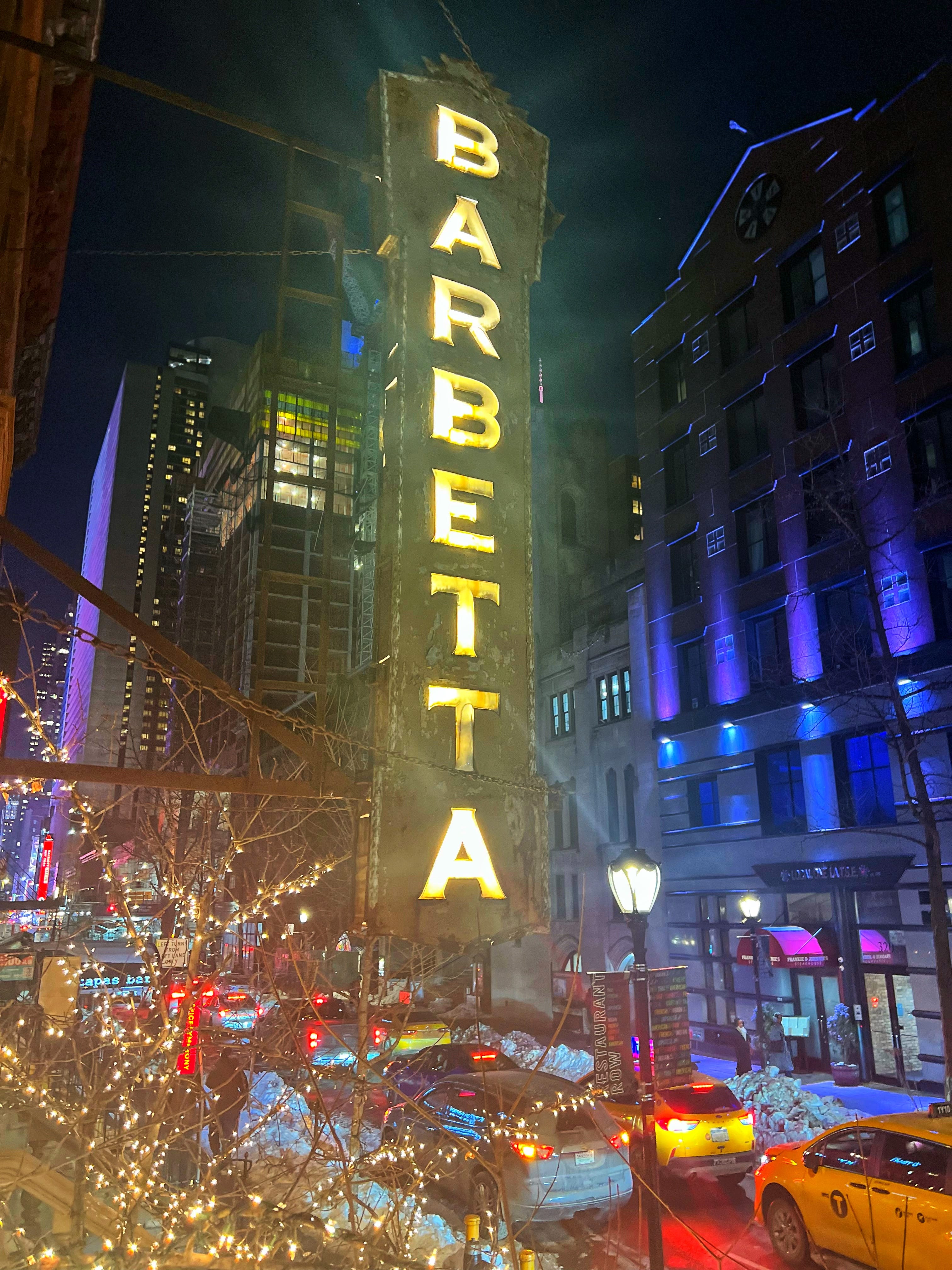
At the same time came news that Laura Maioglio, the second-generation New York City owner of the 121-year-old Barbetta, a landmark Italian restaurant on Restaurant Row, had died, leaving no heir to carry on. Barbetta’s last night of service was on Feb. 27. The old townhouses that Maioglio owned on W. 46th Street—once owned by the Astors—will likely be torn down.
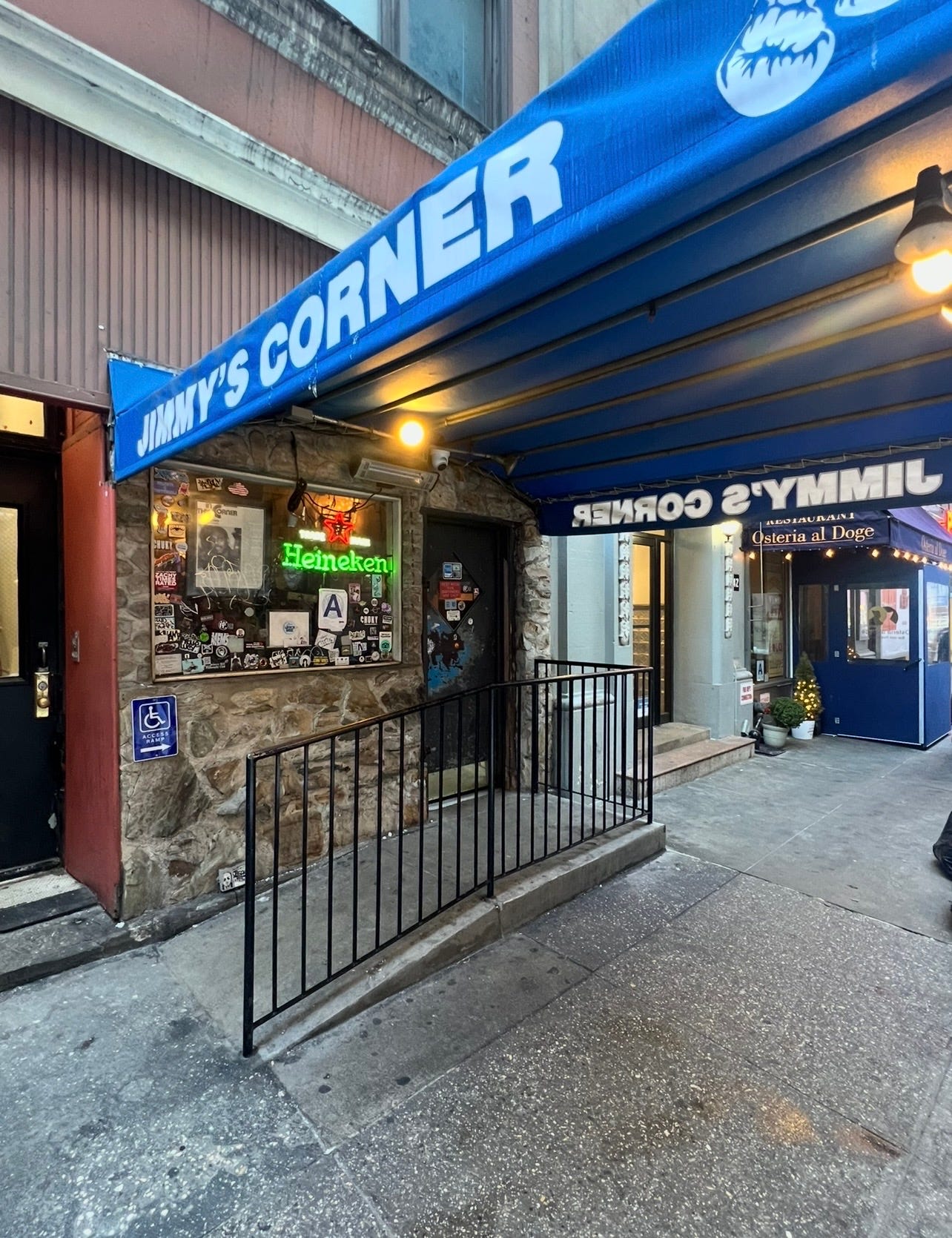
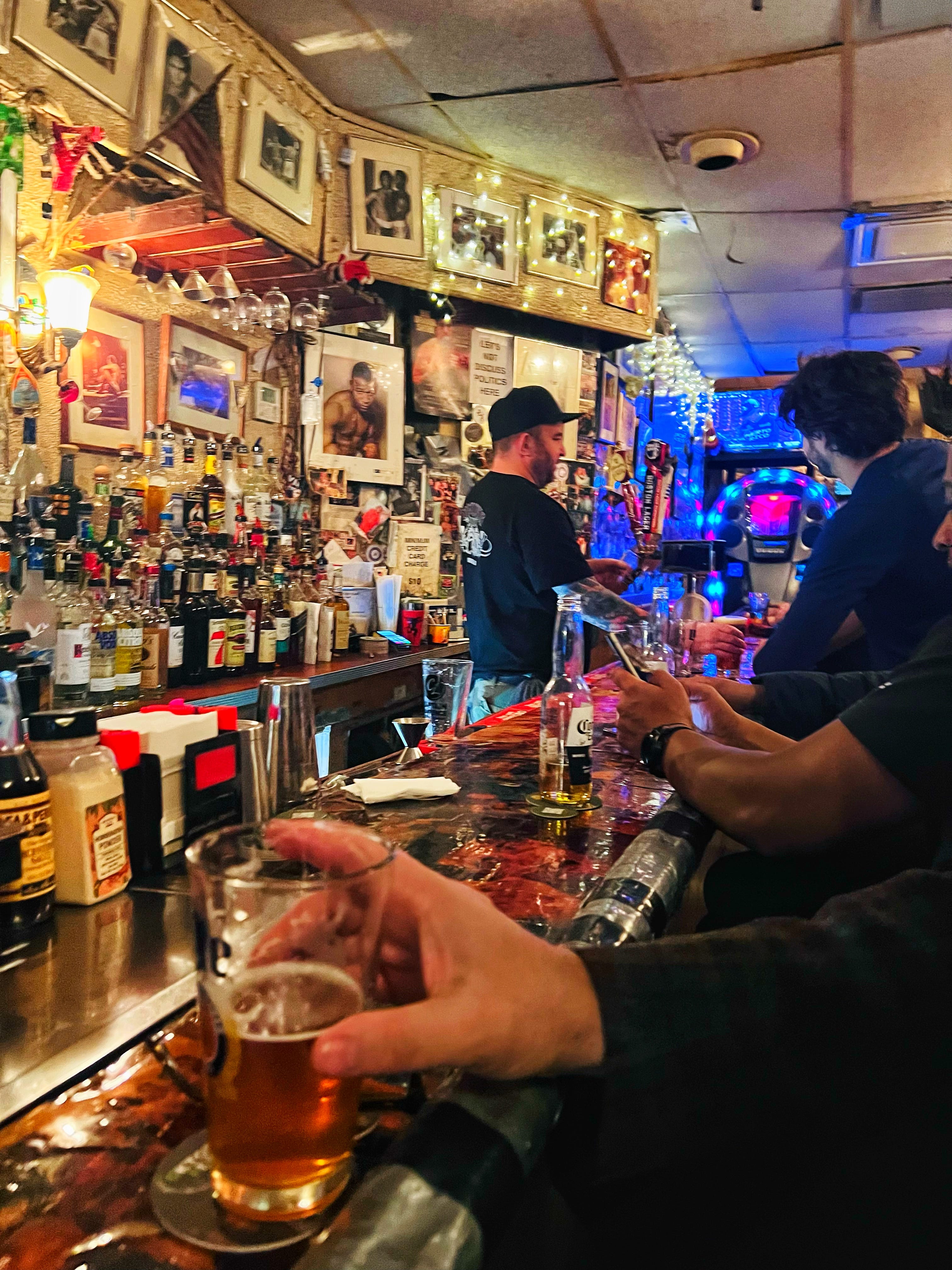
The hardest blow, however, came with the news that Jimmy’s Corner might not be long for this world.
Founded on in 1971 by boxer and trainer Jimmy Glenn, the narrow watering hole on W. 44th Street, just across from the Belasco Theater, is one of only two dive bars left in the area. (Rudy’s on Ninth Avenue is the other.) It is a place of low prices and impossibly rich character. But Jimmy died of Covid in 2020. Now, the powerful Durst Organization—which owns the building and doubtless needs more money—wants the bar out. Son Adam Glenn is fighting the eviction. He will, of course, eventually lose.
Developers and landlords aren’t the only villains in this wholesale cultural erasure. My own profession is to blame as well.
The site New York Eats Here recently pushing an opinion piece by its editor-in-chief Marco Shalma titled, “How Food Media Turned New York Into a City of Openings, Not Institutions.” In it, Shalma wrote:
Food media, especially in a global city like New York, does not exist just to inform locals. It exists to translate the city into a consumable fantasy for people who are not here yet. Tourists, visitors, aspirational transplants, and global audiences looking for signals about what is “hot right now.”
That audience is not neutral. It shapes coverage.
Openings are clean. They photograph well. They fit calendar cycles. They allow for declarative language. “New,” “first,” “only,” “latest,” “just opened.” They give the illusion of discovery without requiring accountability. If a place fails six months later, the story evaporates. No follow-up required.
Institutions are messier. They require context. They demand history. They expose labor realities, rent pressure, neighborhood politics, and survival strategies. They are harder to package into a listicle or a weekend guide. And they rarely align with the aspirational version of New York that food media sells to the outside world.
So they get sidelined.
It was not the sort of article that the food media would ever publish, because the guilty rarely sign a confession. But the truth of it is undeniable.
Whenever an old restaurant or bar closes, there’s always a group of contrarians who berate that mourners. They carp: if you liked the place so much, you should have patronized it more to help keep it open. They have a point, as Addison DeWitt might say; an idiotic point, but a point.
I always answer that, well, I do patronize them. I try my best to keep up on new openings; fresh efforts in the food and drink sphere deserve attention. But, for a long time, I have spent more than half of my dining and drinking dollars at old places.
Why? Many reasons. I want them to stick around. I like them. But, mostly, they are dependable.
It is difficult to invest time and energy in a new place in the ruthless age of the 10-year-lease. No matter how much I like a new restaurant or bar; no matter how well they run their business or how popular they are; there is a 9-to-1 chance that they will be gone after a decade. That is when the lease comes up for renewal and the rent—for no reason other than greed—is doubled or tripled.
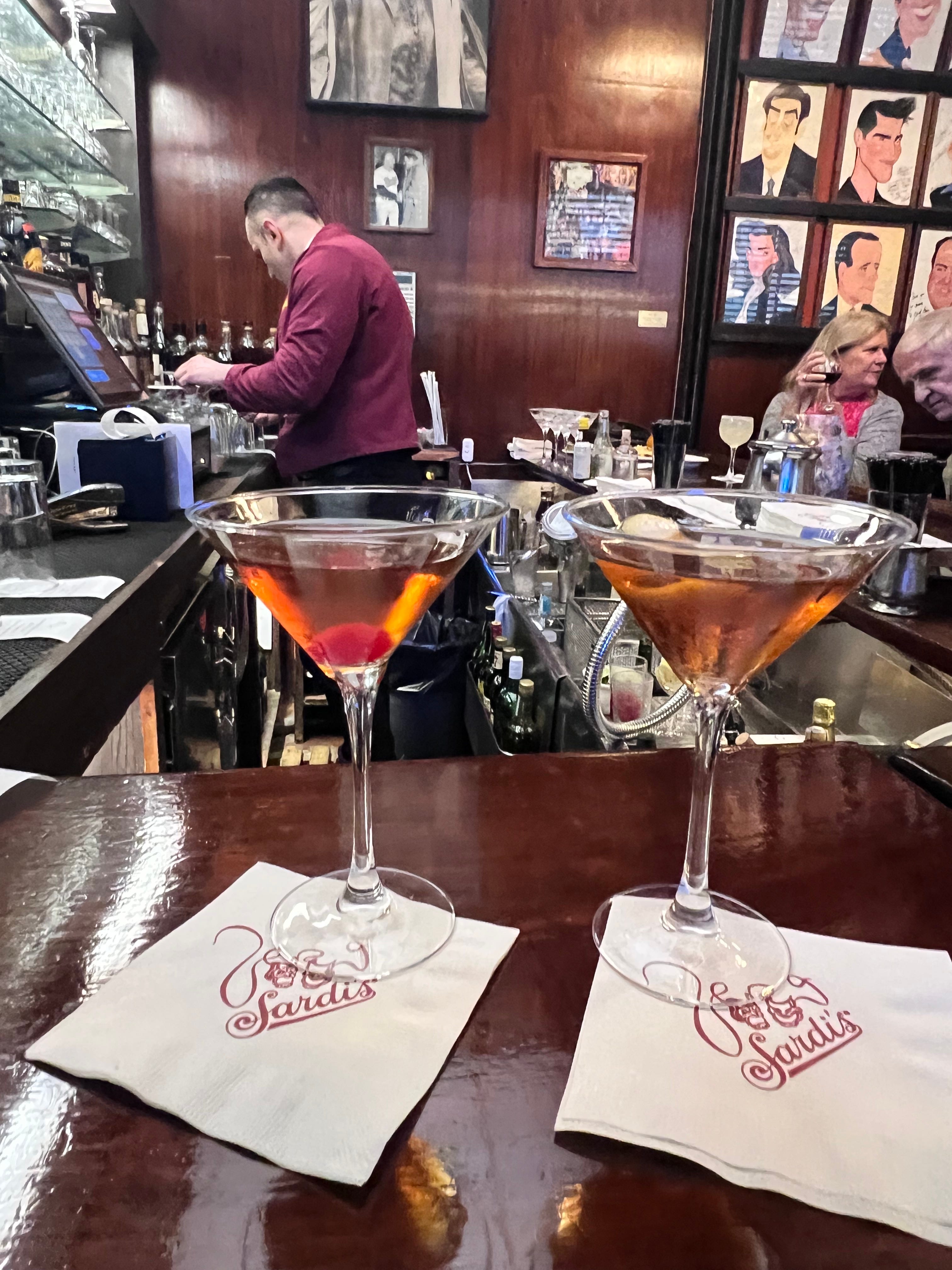
And, so, during our most recent visits to New York, we dined at Sardi’s. Very uncool, I know. But we love it. And where else were we to find any stage-folk soul left in the Theater District? We spent other nights at J.G. Melon (which is never rented out for private events; take that, moneyed class!) and Donohue’s Steak House, both on the Upper East Side, as well as Balthazar in NoHo, Odeon in Tribeca, Grand Central Oyster Bar and Junior’s in Brooklyn.
Another night, we hoisted a couple perhaps-last pints at the bar at Jimmy’s Corner. We did our best to ignore the loud finance bro rocking the corner stool and his monologue about a humorous encounter with a homeless man. After that, we walked to our final dinner at Barbetta.
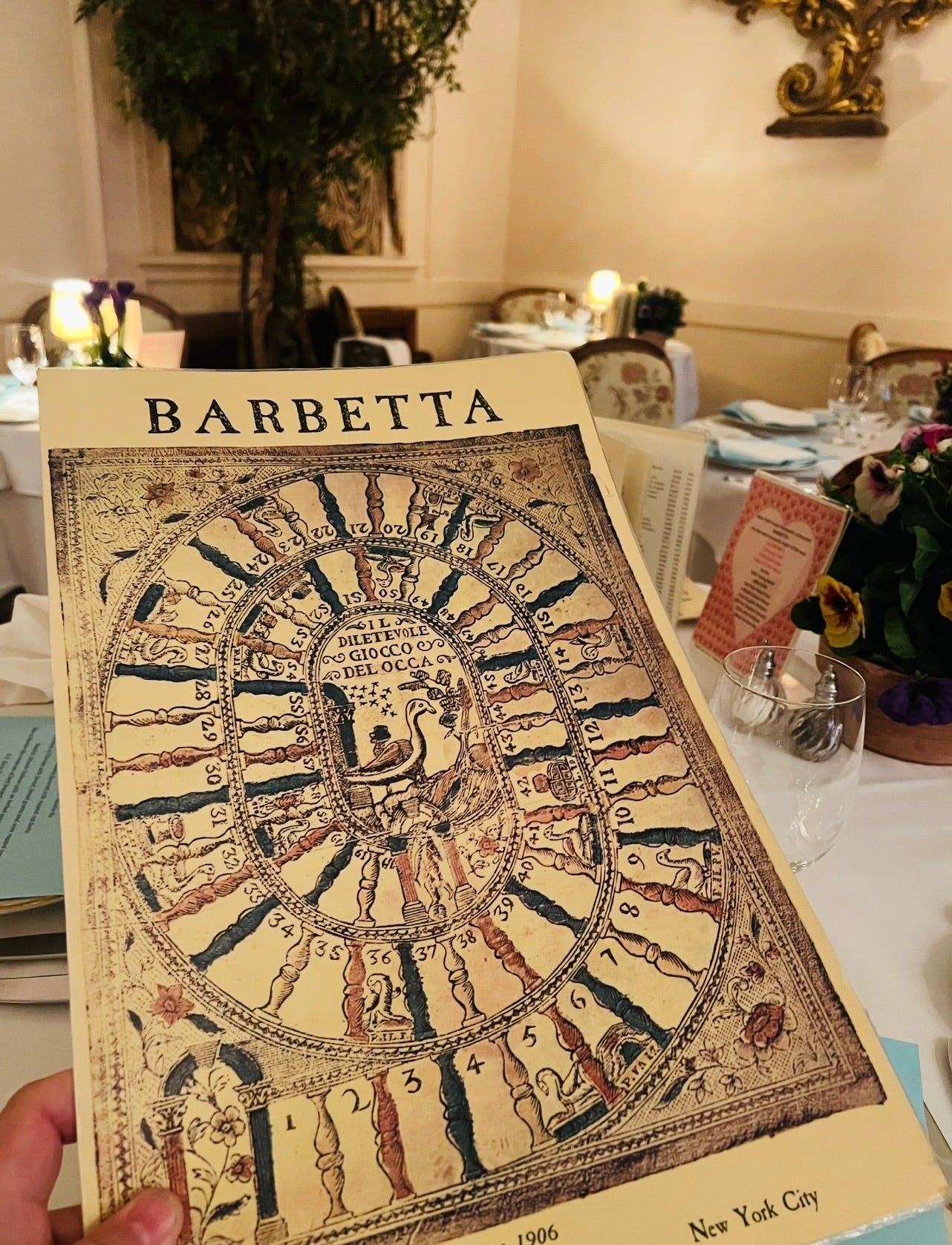
As a former theater writer, I had spent my share of evenings basking in the bygone, European grandeur of Barbetta’s chandelier-lit, high-ceilinged dining room. We were seated next to a large round table where I had once interviewed Mary Steenburgen. She was then performing in Shaw’s Candida. Through these rooms, I had trailed Laura Maioglio when interviewing her for a profile in The New York Sun.
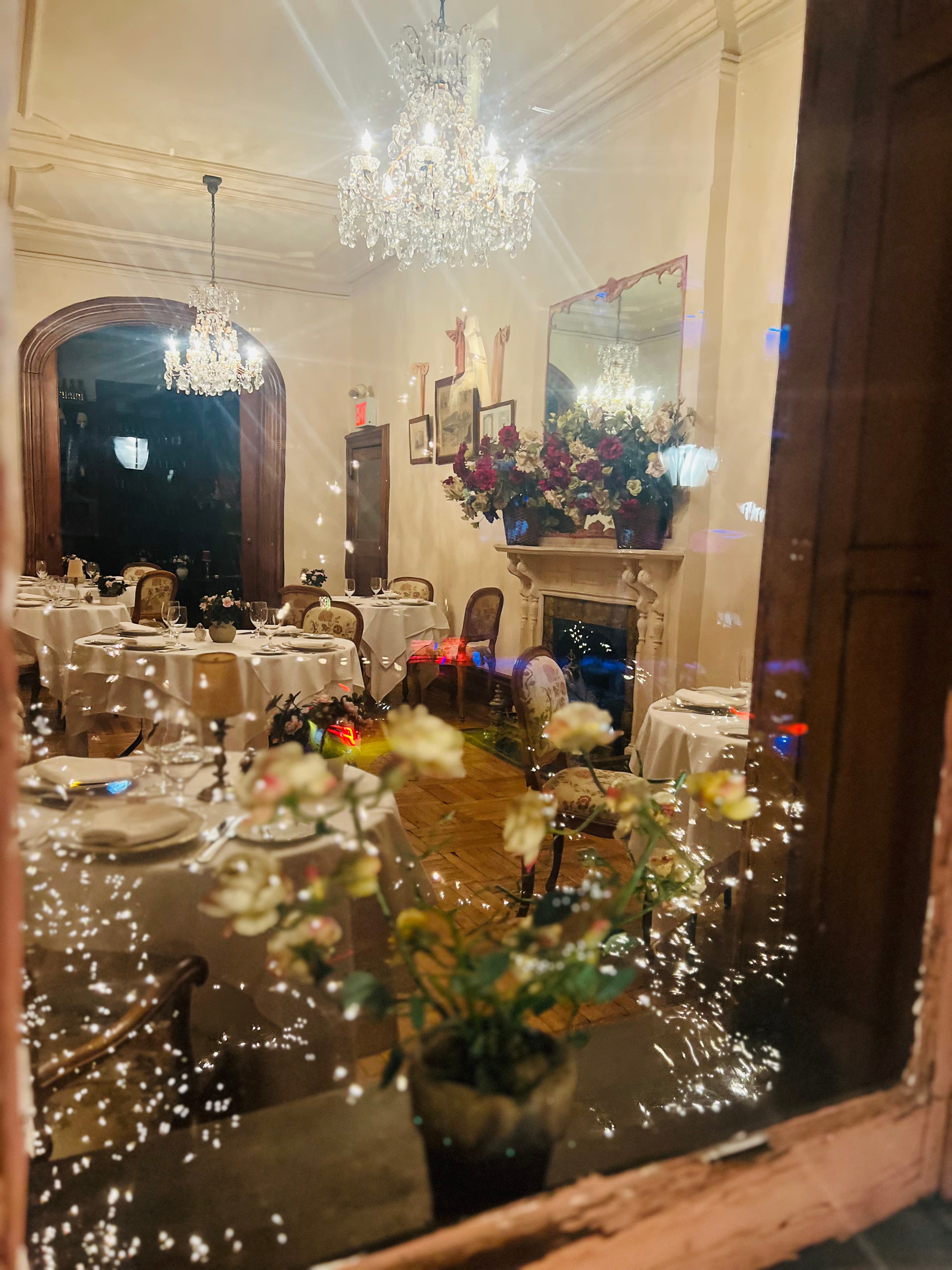
Maioglio was genuinely, charmingly cuckoo. She wore custom made, one-of-a-kind clothes of which there were no duplicates and owned a palace in Piedmonte, where she kept her own truffle hounds. Barbetta’s daunting wine list had pages upon pages of Barolos and Barbarescos. The cellar was enormous and ran under three buildings.
Maioglio claimed Barbetta was the first New York restaurant to serve espresso, Grignolino, Gattinara, Ghemme, Tiramisu, risotto, polenta and white truffles. Hard to prove all that. But if Barbetta, a lone haute Italian place at a time when New York was blanketed with red-and-white-checkered tablecloths, didn’t blaze that trail, who would it have been?
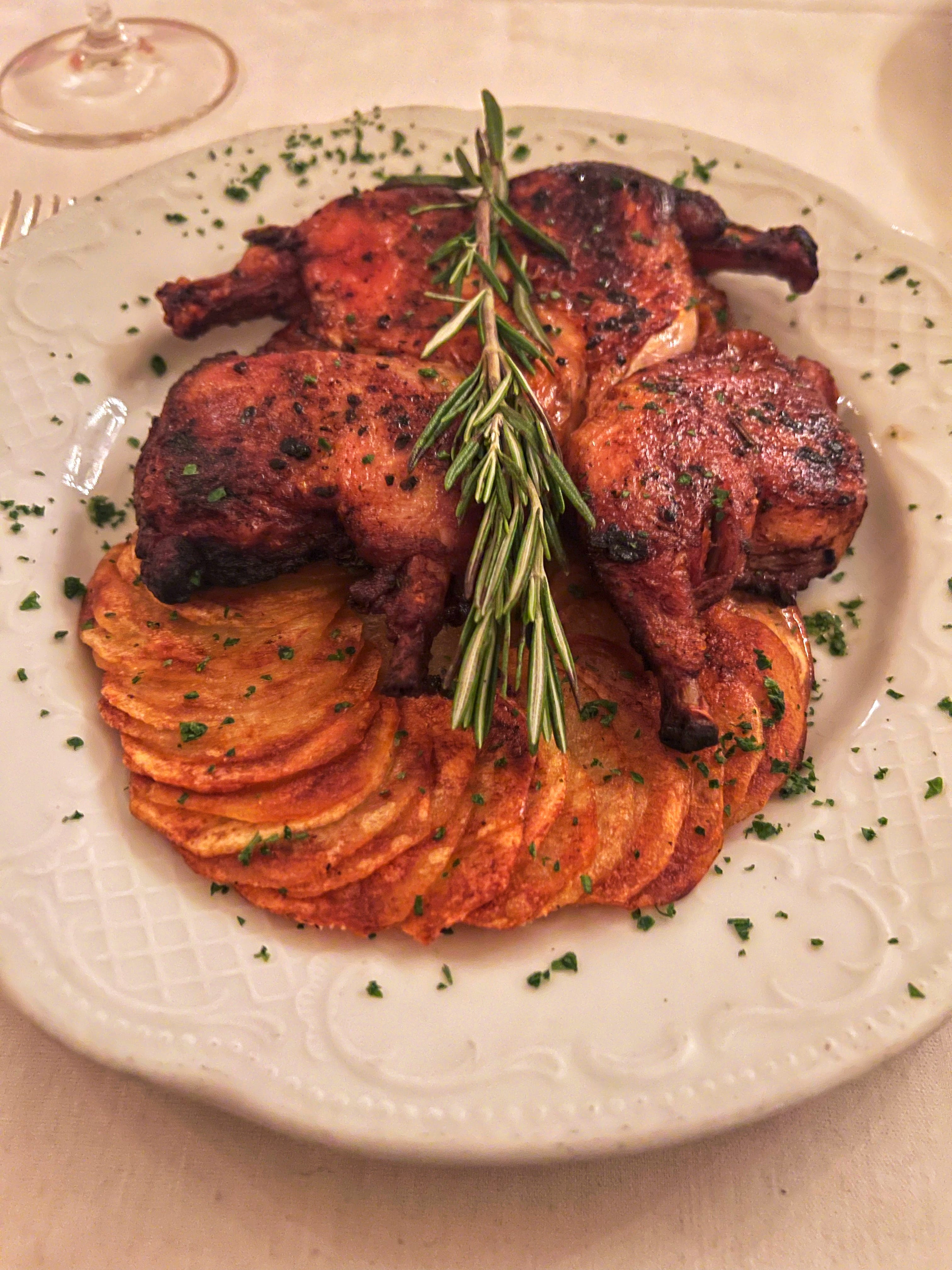
We had another dinner on that trip at one of New York’s newer restaurants, a place regularly rated as one of the best in the city. Maybe I’m being sentimental, but the meal at Barbetta was better, and not just because the atmosphere and service was pricelessly gracious. Everything was delicious and perfectly prepared: the poached Girello of Veal; the house-made Agnolotti, a dish first introduced in 1906; the Risotto alla Piemontese with wild porcini mushrooms (1906); the Roasted Rabbit alla Piemontese, served with Savoy cabbage (1995); and Pollo al Babj (1962).
But a story about the cuisine at a 121-year-old Italian restaurant doesn’t garner clicks and page views, so only regulars knew how good a meal could be there. No, a place like Barbetta only makes the New York news when it closes.
Mary Kate pointed out the other day that the places we loved in New York—and the places we still love—are all owned by individual people, not restaurant groups, not corporations. They had personality and soul, because they were run by personalities with soul.
I hadn’t thought about it that way before, but she was right. Jimmy’s Corner was run by Jimmy Glenn and then his son. Barbetta was run by Laura Maioglio, Chez Napoleon was run by the mother-and-son duo of Elyane Bruno and William Welles. Café Un Deux Trois was run by Gerard Blanes and Georges Guenancia. If you went there, you saw them. And they saw you.
Harry Haun: A Tribute
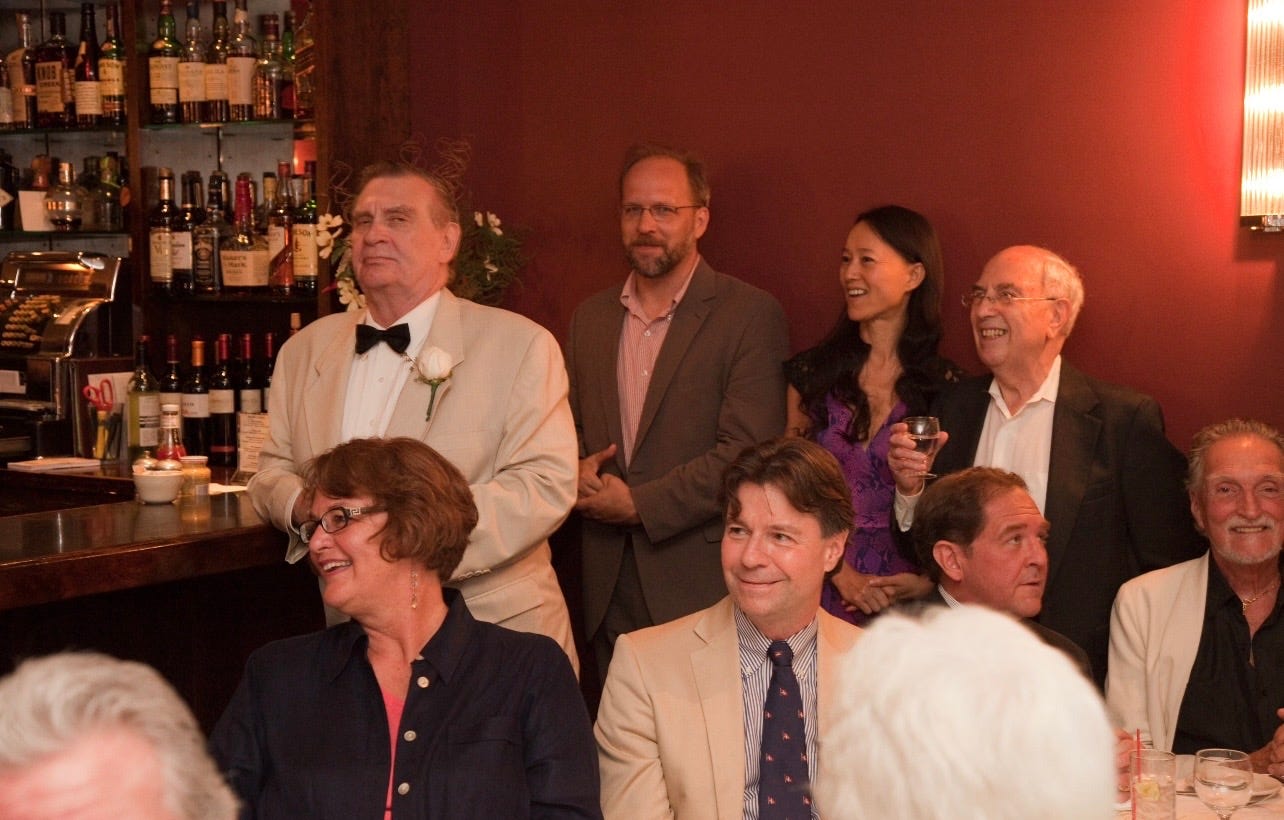
Speaking of Lost New York.
Writer Harry Haun died on Feb. 2. He was 85. An inescapable presence in the New York theater and journalism world for five decades, he wrote up until the last.
I met Harry when I began working in 1998 for Playbill, a publication he contributed to for 46 years. He was already a legend by then, a man resolutely of his beat, which was the theater and, more broadly, entertainment. He lived near that beat, in the Theater District, first at the Whitby on W. 45th Street and then at Manhattan Plaza, the highrise apartment building at 43rd and Ninth Avenue that is the mailing address to hundreds of people who make their living by the stage. He rarely ventured below 42nd Street or above 59th. I once asked him to meet me at McSorley’s Old Ale House in the East Village. I think he was angry about it.
Harry was born in Greenville, Texas, and never quite lost his soft, syrupy drawl. That accent aided him considerably in interviews, as it put his subjects at ease. But, then, Harry’s aim was never to cut or criticize, but to characterize and celebrate. He was Walter Winchell’s kinder cousin.
But more than as a writer, I appreciated Harry as a persona, a sort of exemplar of a New York that, when I arrived in the late ‘80s, no longer existed and for which I hungered. He was Runyonesque. He lived and breathed Times Square. He attended every single Broadway opening of the season, and every opening party. He sorted his daily mail in a booth at McHale’s bar (mentioned above). He ate out for every meal; his stove was never used; he eventually shut off the gas and filled it with books. He almost never left New York, and saw no reason why he should. He poured his energies into each story so fully that he had to lie down on his bed after he filed.
Harry could be, to his own detriment, stubbornly himself. I doubt he changed much in personality or habit from the time he landed in New York in 1973 to the day he died. That is, except in one great instance. In 2011, he married his longtime partner, Charles Nelson—after two marriages and one long relationship with three other women.
But otherwise, he stuck to the professional path he forged during his ten years at the Tennessean and 17 years at The Daily News, where he regularly subbed in for the vacationing columnist Liz Smith. When the digital age dawned, and work in print began to dry up, I urged him to become his own boss and start his own theater blog. What theater geek wouldn’t want to read the daily musings and adventures of Harry Haun, the Zelig of the New York theater!?
But he never did. He was a dyed-in-the-wool newspaper man to the last, even if the print publications he worked for never fully appreciated what they had in him. He was incapable of any other life. As the character Fezziwig said in Scrooge, the 1951 British film version of Dickens’ A Christmas Carol, said, "No, I can't see my way to selling out to the new vested interests, Mr. Jorkin. I'll have to be loyal to the old ways and die out with them if needs must." (It goes without saying that Haun would have been familiar with this quote, as he was with every bit of showbiz trivia. With him around, you didn’t need the Internet Movie Database or Broadway Database.)
As to the career he chose and steadfastly stood by, I leave Harry to put it in his own words. I profiled him in my 2004 book On Broadway, Men Still Wear Hats. These are the closing words of the piece:
“It’s like chalk on the sidewalk. But everything is. The assignment is to do as best as you can in the time that you have. Then drop it and go onto the next thing and do that. It’s an exhausting profession. And you know what? There really is no light at the end of the tunnel. It’s just constant.”
But one has to coax such observations out of Haun, who on balance thinks of himself as sitting in the catbird seat of catbird seats. “All I have to do is see a great play and I’m in love again. I am the most entertained person in the world. I’m like Blanche Dubois, who goes from one magic to another magic.”
If you want to toast Harry, the lights of Broadway’s marquees will dim tonight, Tuesday, March 10, at 6:45pm in memory of him, as well as the theater professionals D.L. Coburn, John Cunningham, Carmen de Lavallade, Frank Dunlop, Robert Duvall, Bret Hanna-Shuford and Isiah Whitlock Jr. Raise a glass then. Theater writers are rarely honored by this traditional practice. Few were more deserving than Harry.
Odds and Ends…
Hannah Selinger, the author of the memoir Cellar Rat: My Life in the Restaurant Underbelly, will see the publication of her first novel, Valley of the Moms, on June 2… Apparently, George Clooney and Rande Gerber didn’t make enough money selling the Tequila brand Casamigos. They are back, partnering with Mike Meldman, to launch, Crazy Mountain, a “premium non-alc brew that celebrates adventure, freedom and grit, without the hangover.”… A collective of bars and distilleries, in partnership with Visit Pittsburgh, have announced the MixBurgh Foundation, a new collaborative initiative in the craft cocktail and spirits scene in western Pennsylvania. “We’re bringing together the world class mixologists, distillers, educators and makers in Pittsburgh because we know that collectively our scene is as strong and diverse as any in the US,” said Dale Vaughn, founder of MixBurgh and owner of Space Bar. MixBurgh “brings together industry leaders, bar owners, and distillers with the goal of sharing Pittsburgh’s beverage scene with the world.”… Highball Ltd., a new cocktail bar from Jeff Bell, managing partner of the iconic East Village speakeasy PDT, will open March 13 inside the Ely Jacque Kahn-designed 10 Grand Central office building. Created in partnership with Apres Cru Hospitality and Marx Realty, the transportive new bar brings Bell’s signature precision and hospitality to a hidden, design-forward setting inspired by the golden age of cocktails and luxury rail travel.
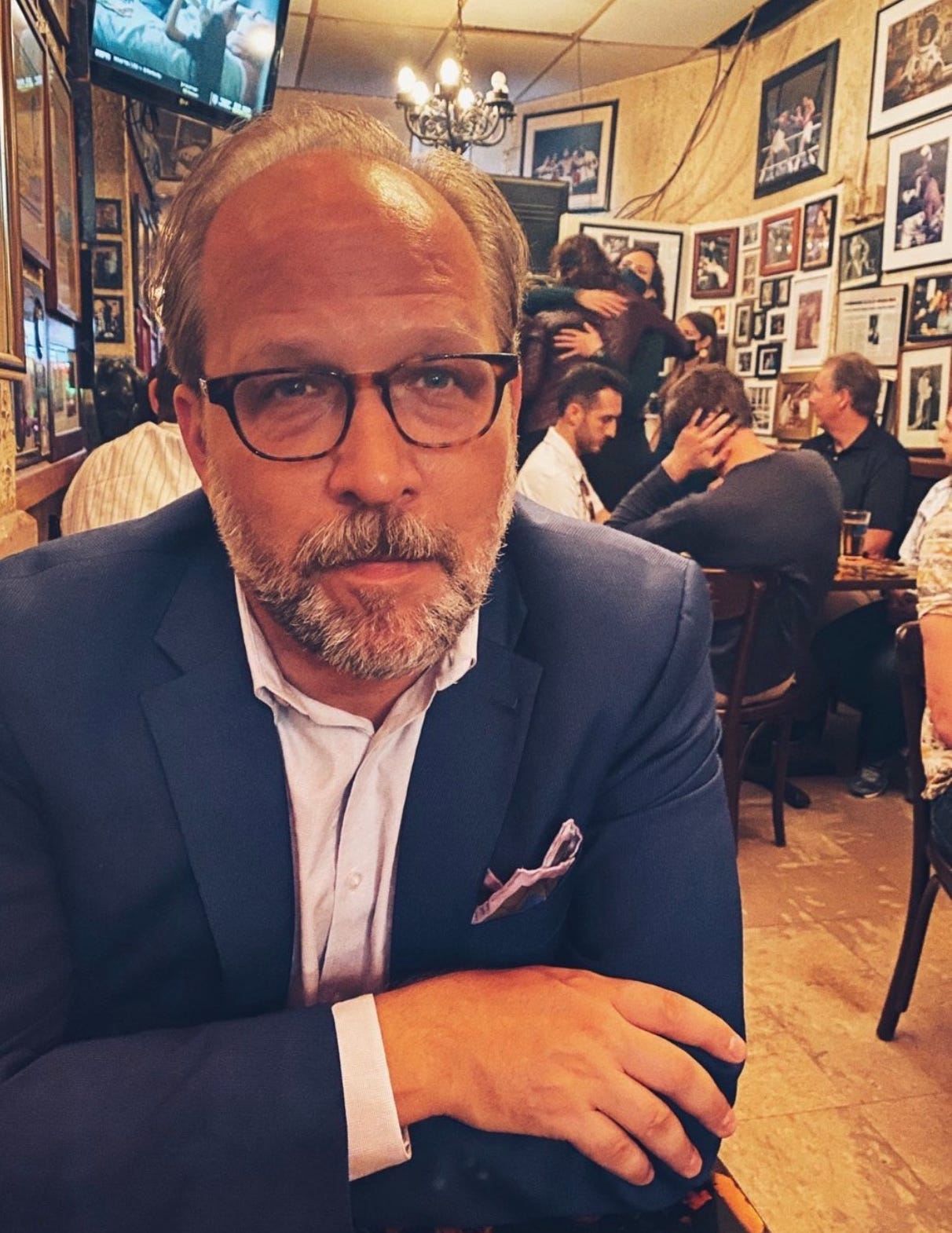
We will be toasting Harry Haun tonight at 6:45pm ET, when the lights dim on Broadway—you should too!
Hi Robert ... so much to say after reading your heart-felt remembrances and obituaries of lost gems. Jill did a portrait of Jimmy at the bar I want her to send it to you. In the photo of Harry Haun, two people to your left, house right from our point of view, is a short balding gentleman Aubrey Rueben. I suspect you came across him often in your theatre days, he was a sort of unofficial photographer about town that many celebrities would allow to shoot them casually, because he never sold a picture without permission. He was the only photographer that Elaine allowed to shoot in her joint. He was a regular at the Rainbow Room, I'll send Jill's caricature of him as well. BUT, back to the nostalgia for lost gems. It was 1969 or 1970, and I was brand new to the city. I went to Jimmy Ryans Club on west 54th street to see Roy "Little Jazz" Eldridge, and what a night it was; I was at the bar rail nursing the one beer I could afford, when Ella Fitzgerald swept into the room right by me and directly to the band stand; which was just at the end of the bar. So the folks at the bar had the catbird seats for the music. She sat in with Roy for a couple numbers. I ran out of dough and headed uptown to Paddy McGlades where I could get a 50 cent beerand I was so jazzed up I started talking to the old dude at the bar about my extraordinary evening. He listened and then with a huff of disgust he said, "You should have seen my New York!" He was actually angry at my enthusiasm, or maybe he couldn't find the words any more, but I said to myself ... I'll never be that guy. New York is always changing, But like a tart that loves her work, she puts on an amazing show for every new arrival.